How Swiss Data Protection Standards Shape Bonus Verification Processes on Licensed Mobile Poker Networks
Geschrieben von Theo Werner · 14.10.2026

How Swiss Data Protection Standards Shape Bonus Verification Processes on Licensed Mobile Poker Networks
Swiss data protection rules under the Federal Act on Data Protection require licensed mobile poker networks to handle personal information with strict limits during bonus verification, and operators must balance these obligations against the need to confirm player eligibility for promotions. Data minimization principles guide how networks collect details such as identity documents and transaction records, while consent mechanisms determine the scope of information sharing with third-party verification services.
Core Elements of Swiss Data Protection in Gaming Contexts
The Federal Act on Data Protection, revised and fully effective since September 2023, mandates that personal data processing stay proportionate to the stated purpose, and licensed platforms apply this standard when verifying bonus claims tied to deposits or activity thresholds. Observers note that operators document each data point collected, from passport scans to IP address logs, to demonstrate compliance during audits by the Federal Data Protection and Information Commissioner. Research from European regulatory reviews indicates that similar frameworks across the continent have reduced unnecessary data retention periods in online gaming by an average of 40 percent since 2022.
Verification workflows now incorporate encryption standards and access controls that limit staff exposure to sensitive records, and these measures align with requirements for cross-border data transfers when networks rely on international payment processors. One study released by a Canadian research institute in 2025 highlighted how encryption protocols in Swiss-regulated environments lowered breach risks compared to less structured jurisdictions.
Bonus Verification Workflows on Licensed Platforms
Players initiate bonus claims through mobile applications, triggering automated checks that pull from verified accounts while respecting data purpose limitations, and the process requires explicit consent forms displayed before any identity document upload occurs. Networks integrate these steps into account creation sequences so that bonus eligibility flags activate only after data handling agreements receive confirmation. Figures from industry reports show that platforms completing verification within 48 hours retain higher player retention rates, though exact statistics vary by operator size and network traffic volume.
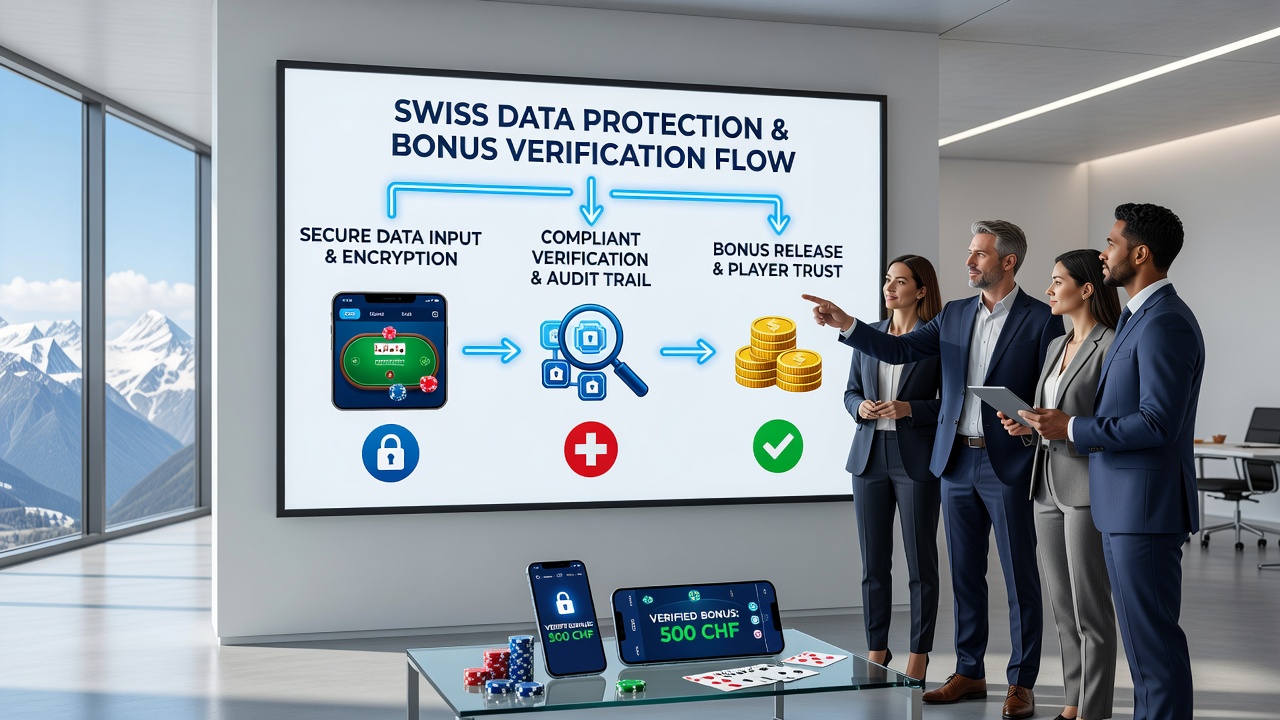
Automated systems cross-reference submitted details against government databases and banking records, yet Swiss rules prohibit storing biometric data beyond the immediate verification window unless separate consent covers extended use. Those who manage compliance programs at licensed sites report that audit trails must capture every access event, creating logs that regulators can review without advance notice. This approach connects directly to broader efforts by Swiss authorities to align gaming oversight with data protection enforcement priorities.
October 2026 Developments and Implementation Patterns
By October 2026, several licensed networks have rolled out updated verification modules that embed real-time consent toggles and automated deletion timers for bonus-related records, responding to guidance issued earlier in the year by oversight bodies. These changes allow players to request data erasure after bonus periods expire, provided no ongoing regulatory hold applies. Data from operator disclosures reveal that networks adopting these timers processed fewer manual review requests, easing administrative loads during peak tournament seasons.
Collaboration between gaming licensees and data protection specialists has produced standardized templates for privacy notices, and these documents explain in plain language how verification data supports anti-fraud measures without extending to marketing uses. External analyses from academic sources in Australia have examined parallel systems in other regulated markets, noting that transparent notice practices correlate with fewer complaints filed to supervisory authorities.
Operational Adjustments Across Mobile Networks
Engineers at licensed platforms adjust API connections with verification vendors to transmit only hashed identifiers rather than full personal profiles, satisfying proportionality tests under current Swiss standards. This technical shift reduces exposure during any potential incident and supports faster processing when players switch devices mid-session. Industry associations have published case summaries showing that networks maintaining these hashed workflows encountered fewer regulatory queries during routine inspections.
Training programs for support teams now emphasize recognition of consent withdrawal requests, which must route immediately to data deletion queues rather than remaining in bonus eligibility systems. The result appears in streamlined complaint resolution times documented in quarterly compliance summaries submitted to regulators.
Conclusion
Swiss data protection standards continue to define the boundaries of bonus verification on licensed mobile poker networks through requirements for minimization, consent, and secure handling, and operators adapt their technical and procedural frameworks accordingly. Ongoing adjustments through 2026 reflect responses to regulatory guidance while maintaining verification integrity for promotional offers. Networks that align processes with these rules sustain operational continuity and regulatory standing across Swiss-licensed environments.